
French Scone | Light, Soft and Tender
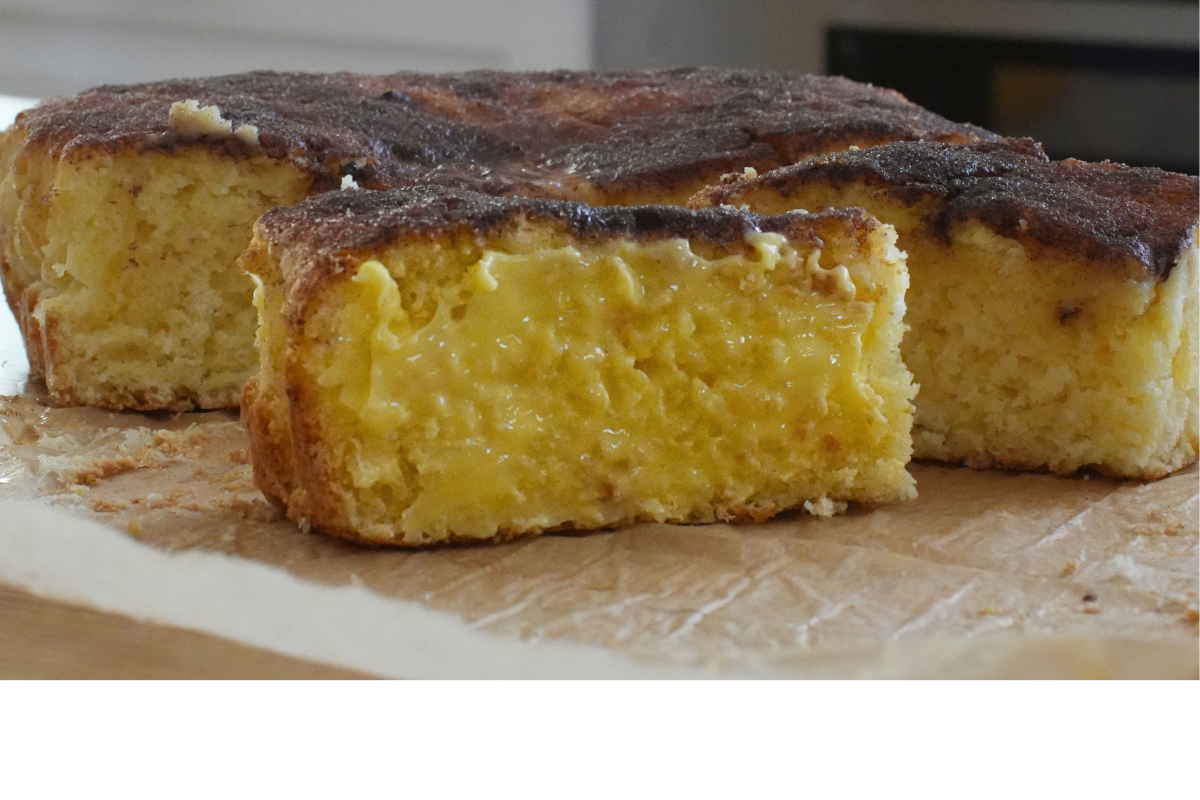
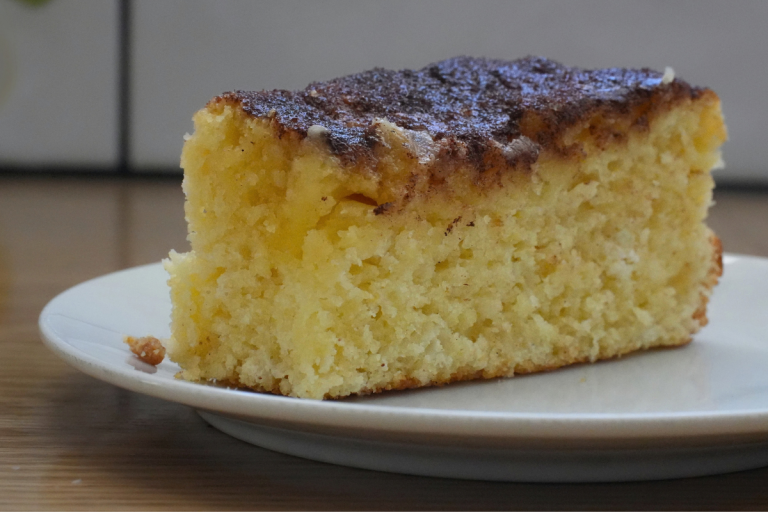
This French Scone is beautifully light, soft and tender, and quite different from any traditional scone I’ve made before. Surprisingly, it starts with a meringue, but despite its unusual beginning, it’s actually very easy to make.
I came across this recipe earlier this year in my old copy of The Australian Country Woman’s Cookbook from 1977, and after making it for the first time, I knew it was one I’d make again. I’ve made it so many times since, including a gluten free version, which works beautifully too.
Once baked, it’s finished with melted butter and a sprinkling of cinnamon sugar. I love it served slightly warm with plenty of salted butter, and despite its unusual beginning, it’s actually very quick and easy to make.
If you prefer a more traditional scone, you might also like these Blue Ribbon Prize Winning Scones, another old recipe that always receives wonderful feedback.
French Scone
Ingredients
French Scone
- 2 large eggs, at room temperature, separated
- small pinch salt
- 1 cup caster sugar (220 g)
- 1 cup whole milk (250 ml)
- 1 teaspoon vanilla extract (5 ml)
- 2 cups self raising flour, sifted (300 g)
- 2 tablespoons butter, melted and cooled (40 g)
Cinnamon Sugar Topping
- 2 tablespoons butter, melted (40 g)
- 2 teaspoons sugar
- 1 teaspoon ground cinnamon
Instructions
Prepare the Oven and Tin
- Preheat the oven to 180°C (350°F) conventional or 160°C fan forced. Grease and line a 23 cm (9 inch) square cake tin, or a similar sized 2 litre (8 cup) capacity tin, with baking paper, leaving enough overhang to lift the scone out once baked.
Make the Meringue
- Separate the eggs, placing the egg whites into a clean, dry glass, ceramic or stainless steel bowl. Set the yolks aside.
- Add a small pinch of salt and beat the egg whites with an electric mixer until stiff peaks form.
- Gradually add the caster sugar, a little at a time, beating continuously until the meringue is thick and glossy and holds its shape. This can take 3–5 minutes. The mixture will still feel slightly grainy, and that is fine.
Make the Scone Mixture
- Lightly beat the reserved egg yolks. (This makes them easier to fold in).
- Gently fold the egg yolks, milk and vanilla into the meringue.
- Add the sifted self raising flour and gently fold until just combined. Don't worry if the mixture is lumpy.
- Finally, gently fold through the melted and cooled butter.
Bake
- Pour the mixture into the prepared tin and gently spread it evenly.
- Bake on the middle shelf for 25–35 minutes, or until cooked through. Check at 25 minutes and continue baking as needed. Avoid overbaking, as the scone is best when it remains soft and tender.
Make the Cinnamon Sugar Topping
- While the scone is baking, combine the sugar and cinnamon in a small bowl. Melt the additional butter and set aside.
Finish the Scone
- Once the scone has finished baking, whilst it is still warm and in the tin, pour or brush the melted butter over the top, then sprinkle evenly with the cinnamon sugar.
- Transfer to a wire rack and allow to cool for about 10 minutes before slicing.
Serve
- Serve warm or at room temperature, preferably with plenty of butter.


Delicious! Can’t wait for my kids to try it! Thank you! ❤️
Kat from California~
Hello Kat,
Oh wonderful, I’m so glad you enjoyed it. I hope your children love it too. ❤️ Warm greetings to you in California.
Lee
This is probably one of the BEST things I ever baked. When all mixed it smelled like cake batter but when cooked its crumb was unlike anything I ever had. It was certainly near impossible to resist! How would you reheat leftover (yeah, what’s leftovers?)? This was also my first time making a merengue…boy was my should tired!
Oh wow, thank you, I’m so happy you enjoyed it. ☺️ I know exactly what you mean about the texture, it’s quite difficult to describe isn’t it. If you do have any leftovers, I’d just warm a piece very briefly in the microwave, perhaps 10 to 15 seconds. Well done on your first meringue. 😊
Yes, it was fantastic the next day! Sorry, but I did mean to give the recipe five stars…sausage fingers and touch screens don’t mix well! My partner said if I don’t make this again it would be grounds for divorce!
Hahaha, that’s funny, sausage fingers and touch screens, I love it. 😂 Sounds like you’ll have to make it again. Thank you so much for taking the time to come back and let me know. ❤️